
How to Protect Your Hair from Everyday Damage
Gentler habits for washing, drying and styling.
Learning how to protect your hair starts with the habits you repeat every day. Gentle washing, patient detangling and less frequent heat styling can help reduce unnecessary damage.
Read the Guide →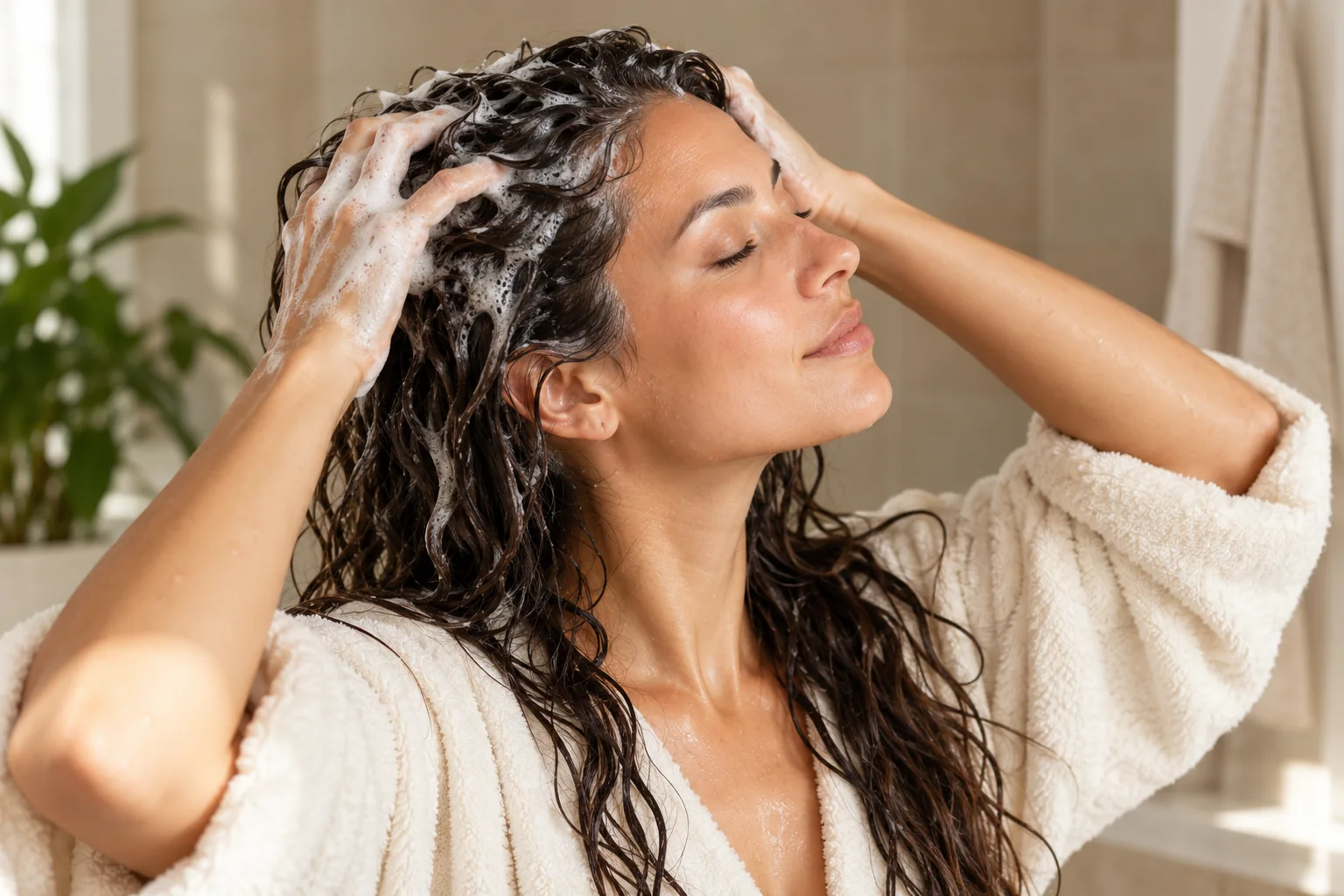
How to Protect Your Hair During Washing
Choose your washing schedule according to how oily or dirty your scalp becomes. There is no single schedule that suits every hair type.
Massage shampoo gently into the scalp rather than scrubbing your lengths together. As you rinse, let the lather flow through the hair.
Follow with conditioner. Concentrate on the ends for fine or straight hair, and distribute through the lengths when caring for dry or curly hair. Follow the product’s rinsing directions.

Detangle Without Pulling
Work through knots gradually with a wide-tooth comb, starting at the ends and moving upward. Avoid forcing the comb through resistance.
Your hair texture matters. Let straight hair dry a little before gentle combing. Thick, curly or textured hair is often easier to detangle while damp and conditioned.
Work in manageable sections and loosen tangles patiently instead of repeatedly pulling through them.
Blot Instead of Rubbing
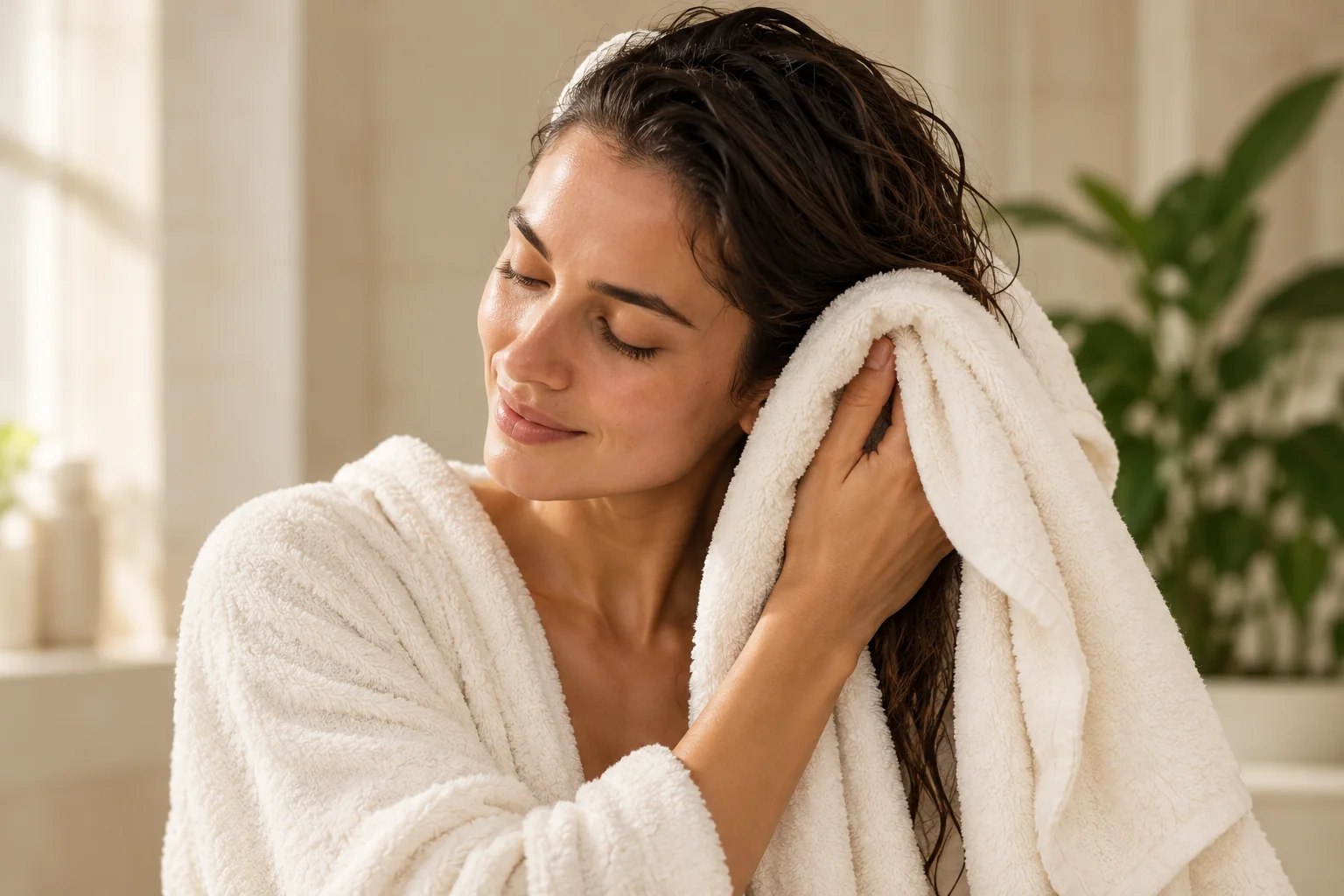
After washing, gently wrap your hair in a towel or soft T-shirt to absorb excess water. Avoid vigorously rubbing the strands together.
Let your hair air-dry when practical. If you plan to blow-dry, allowing some moisture to dry naturally first can reduce the time spent using heat.
How to Protect Your Hair Before Heat Styling
Make heat styling less frequent. Use a flat iron only on dry hair, and keep contact with hot tools brief.
Style Less Often
Give your hair breaks from straighteners, curling irons and blow-dryers.
Choose Lower Heat
Use low or medium settings instead of automatically choosing the highest temperature.
Check Heat Protection
Use a product explicitly labelled for heat protection and follow its application directions.
Choose Comfortable Hairstyles
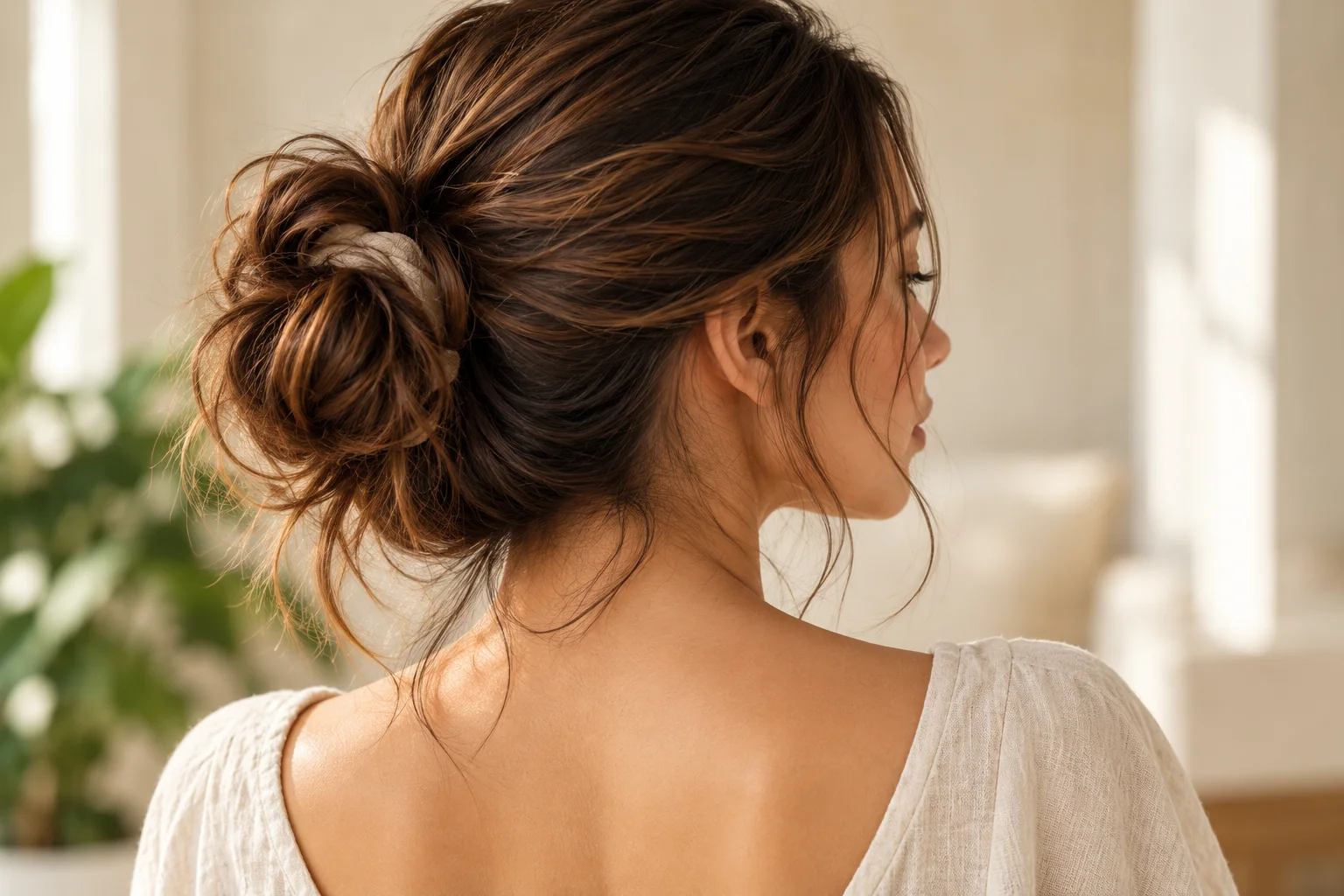
Ponytails, buns and braids should not pull tightly at the roots. Loosen styles that create tension and alternate with more relaxed hairstyles.
Use covered hair ties made for styling. Persistent pulling can contribute to breakage and hair loss.

Protect Hair Outdoors & After Swimming
For extended time outdoors, wear a wide-brimmed hat and seek shade. Sun exposure can leave hair more brittle and affect its colour.
Consider a swim cap in the pool. Rinse hair promptly afterwards; regular swimmers can use a swimmers’ shampoo followed by conditioner.

Space Out Chemical Treatments
Colouring, perming and chemical straightening can damage hair. Give your hair more time between treatments instead of repeatedly overlapping services.
Discuss your treatment history with your stylist before another chemical service, and keep conditioning part of your washing routine.
Your Everyday Hair Protection Checklist
When deciding how to protect your hair, start with the habits that create the most pulling, rubbing or heat in your routine.
- Cleanse the scalp gently.
- Condition after shampooing.
- Detangle patiently.
- Blot hair instead of rubbing.
- Reduce heat frequency and temperature.
- Keep hairstyles comfortable.
- Wear a hat during extended sun exposure.
- Rinse hair after swimming.
How to Protect Your Hair: Common Questions
Should I brush wet hair?
Adapt the timing to your texture. Let straight hair dry a little before gently combing. Curly or textured hair is often easier to detangle while damp and conditioned. Use a wide-tooth comb and avoid pulling.
Can heat protectant replace lower heat?
No. Pair a labelled heat protectant with gentler styling habits: lower settings, less frequent heat styling and brief contact with hot tools.
How can I protect my hair while swimming?
Consider a swim cap and rinse your hair promptly after leaving the pool. A swimmers’ shampoo followed by conditioner can help care for hair regularly exposed to pool chemicals.
How often should I wash my hair?
Base your schedule on how oily or dirty your scalp becomes and on your hair texture. Fine, straight hair and an oily scalp can need more frequent washing than dry or tightly curled hair.
Is a tight bun a protective hairstyle?
A style should not repeatedly pull at the roots. Keep buns, ponytails and braids comfortable, and loosen them if they create tension.
Related Reading

Explore the Hair Journal
More practical guides for your everyday routine.

Hair Mask vs Conditioner
Understand the difference and when to use each.
Sources: American Academy of Dermatology haircare guidance.